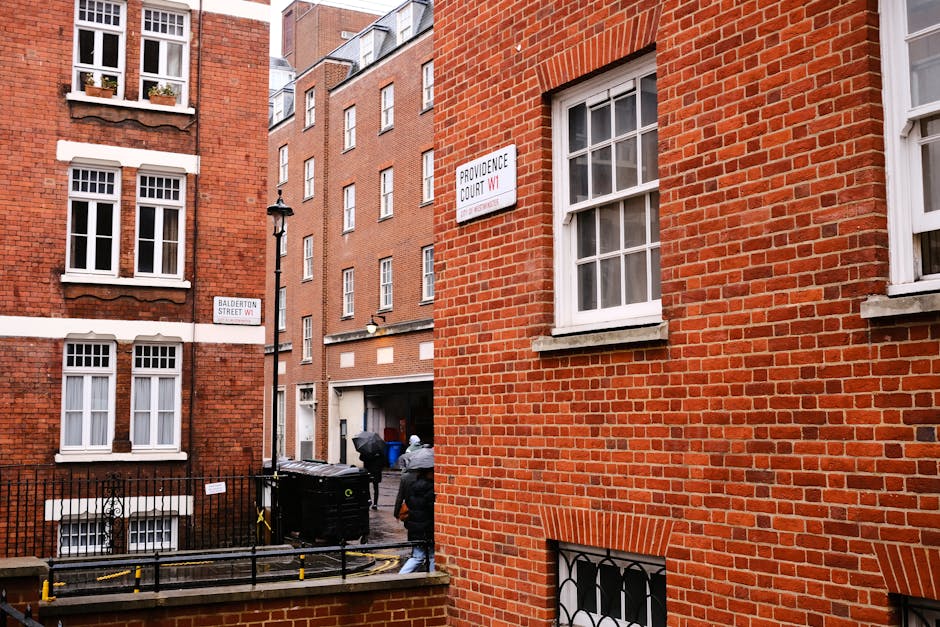
Rubbish clearance Lancaster Gate flats near Kensington Gardens
If you live in one of the flats around Lancaster Gate and you are staring at a hallway full of boxes, an old sofa, broken appliances, or the remains of a flat move, you will know the feeling. Space disappears fast. Lifts fill up. Stairs become awkward. And near Kensington Gardens, you often want the job done quickly, neatly, and with as little disruption as possible. That is exactly where rubbish clearance Lancaster Gate flats near Kensington Gardens becomes useful: not just as a service, but as a practical way to get your home back under control without turning the building into a mini building site.
This guide explains how it works, what to expect, which method suits different flats, and how to avoid the usual headaches. You will also find a checklist, a comparison table, and clear answers to the questions people ask most often when they are trying to clear rubbish in a busy London neighbourhood. Let's face it, nobody wants to spend a Saturday wrestling a wardrobe through a narrow communal staircase.
Key takeaway: the best clearance plan for Lancaster Gate flats is usually the one that matches your access, building rules, waste type, and timing. Get those four things right, and the whole job gets much easier.
Quick note: if you are clearing mixed household waste, furniture, or bulky items, a local service such as rubbish removal can be a straightforward option, especially where lift access, neighbours, or parking restrictions make DIY disposal awkward.
Table of Contents
- Why this kind of clearance matters in Lancaster Gate flats
- How the clearance process works
- Key benefits and practical advantages
- Who it is for and when it makes sense
- Step-by-step guidance
- Expert tips for better results
- Common mistakes to avoid
- Tools, resources and recommendations
- Law, compliance, standards and best practice
- Options and comparison table
- Case study or real-world example
- Practical checklist
- Conclusion
- Frequently asked questions
Why Rubbish clearance Lancaster Gate flats near Kensington Gardens Matters
Flats in and around Lancaster Gate come with a particular set of realities. Many are in period conversions or purpose-built blocks, and that often means tighter stairwells, shared entrances, limited loading space, and neighbours who would quite like a quiet day, thank you very much. Throw in the fact that Kensington Gardens attracts a lot of foot and vehicle traffic, and the need for a tidy, efficient clearance becomes obvious.
Rubbish is not just an eyesore. In a flat, it can quickly become a practical problem. Bags pile up in the kitchen. A dismantled wardrobe blocks the bedroom door. Old mattresses make a smaller property feel even smaller. If you are preparing a tenancy handover, dealing with a probate clearance, making room for renovation works, or simply reclaiming space, the timing matters as much as the disposal itself.
There is also the matter of shared building etiquette. In a block of flats, one careless move can affect everyone: hallways get scratched, lift panels get damaged, and unwanted items left near communal areas can become a fire or obstruction risk. That is why a planned clearance is usually better than a piecemeal one.
And honestly, there is a kind of relief that comes with doing it properly. You hear the echo in the hallway again. You can open the window. The place feels like yours again. Small thing, maybe. But it matters.
How Rubbish clearance Lancaster Gate flats near Kensington Gardens Works
The exact service can vary, but most flat clearances follow a simple pattern. The main difference is how much of the lifting, sorting, loading, and disposal the provider handles for you.
Typical process
- Assessment: You describe what needs removing, where the flat is located, and what access is like. A one-bedroom flat with lift access is very different from a fourth-floor walk-up with no parking nearby.
- Quote or estimate: The provider bases the price on volume, weight, item type, labour, access, and any special handling needed.
- Arrival and loading: The team comes to the property, confirms the load, and removes the items. Good operators will protect walls and move carefully through common areas.
- Sorting and disposal: Reusable, recyclable, and general waste are separated where possible. Some loads need special handling, such as fridges, mattresses, or electricals.
- Clean-up: The area is left tidy once the rubbish is gone. Not spotless in the deep-clean sense, but clear and ready for the next step.
For many residents, the biggest decision is whether to go for a full removal service or arrange a skip. In a flat, skips are often less convenient than they sound. If parking, permits, or access are a concern, a local team offering man and van clearance can be a cleaner fit because the waste is loaded and taken away on the same visit.
That said, there are times when a skip can still make sense. If you are renovating a flat and generating a steady stream of rubble, packaging, timber, and broken fixtures, a dedicated solution like skip hire may be more practical than repeated small collections. Different jobs, different tools. Simple as that.
Key Benefits and Practical Advantages
Good rubbish clearance is not just about emptying a room. It can make the whole property work better.
- Less disruption in shared buildings: A planned collection reduces the time items sit in hallways or by communal bins.
- Better use of limited space: Flats near Kensington Gardens are often compact, so every square metre matters.
- Faster turnaround: If you are moving out, refurbishing, or preparing a rental, clearance keeps the schedule moving.
- Safer access: Removing clutter lowers trip hazards, blockages, and the risk of damage during moving or cleaning.
- More responsible disposal: A proper operator should sort recyclable material and divert waste where possible.
- Less stress: This one sounds soft, but it is real. When rubbish is dealt with in one go, your head clears too.
A practical benefit people overlook is timing. A decent clearance slot can save an entire day of awkward lifting, loading, and trying to guess how many trips the lift can take before everyone becomes annoyed. Sometimes the value is not glamorous. It is just the fact that your Saturday is still yours.
Who This Is For and When It Makes Sense
This kind of service suits a lot of different situations. If you are wondering whether it is the right fit, here are the most common use cases.
People who usually need it
- Tenants moving out: Especially when there are leftover items, broken furniture, or last-minute clutter.
- Landlords and letting agents: For between-tenancy clearances after a rushed exit or a long-let build-up.
- Homeowners in flats: Ideal after decluttering, decorating, or buying bulky items that need removing.
- Families handling probate or downsizing: When a property needs to be cleared sensitively and efficiently.
- Renovators: Useful for old units, packaging, stripped materials, and mixed domestic waste.
When it makes the most sense
It tends to make sense when:
- the waste is too bulky for normal bin collections;
- the building has awkward access;
- you want to avoid parking or permit issues;
- you need the flat cleared on a specific day;
- you do not want to hire a vehicle and load everything yourself.
If your clear-out includes bulky household items like a worn sofa, a broken wardrobe, or an old bed base, it can help to look at specialist disposal options such as mattress and sofa disposal. Those items are awkward in flats, no question about it, and they often need a bit more than a standard bin run.
Step-by-Step Guidance
If you want the process to go smoothly, a bit of planning goes a long way. Here is a sensible approach for flats around Lancaster Gate.
1. Walk through the flat first
Make a quick room-by-room list. Separate items into keep, donate, recycle, and remove. It sounds obvious, but a five-minute walk-through can save hours later.
2. Check building access
Ask yourself: can a removal team use the lift? Are there any time restrictions? Is there a narrow stairwell, a security entry system, or a loading bay issue? In older blocks, these details matter more than people expect.
3. Identify special items
Fridges, freezers, mattresses, sofas, paint tins, and old electronics may need specific handling. Mixed waste is common, but not every item should go in the same pile. If in doubt, ask before collection day.
4. Choose the right method
For small to medium household loads, a removal team often works well. For larger renovation projects, you may prefer a skip or even a grab-style solution depending on access. If the waste is bulky and the property is difficult to reach, wait and load skip hire can be a practical middle ground because the vehicle waits while the waste is loaded, so you do not leave a skip outside for long.
5. Prepare the route
Before the team arrives, clear the hallway, open any shared doors you can access, and make sure items are grouped sensibly. The faster the loading route, the smoother the whole job.
6. Confirm disposal expectations
Ask how recyclable material is handled and whether the provider separates waste streams. Good practice is to divert recyclable loads where possible and keep hazardous or restricted items out of general domestic waste.
7. Do a final check
After collection, check cupboards, balconies, storage cages, and that one corner where things seem to quietly multiply. We have all got one of those corners.
Expert Tips for Better Results
A few small choices can make a surprising difference.
- Be realistic about access: If the lift is small, say so. If the entry code changes at certain times, mention it early.
- Group items by type: Keep furniture together, bag loose waste separately, and set aside anything that may need special treatment.
- Use flat-friendly removal timing: Mid-morning often works well in residential buildings because you avoid the morning rush and still leave time to deal with any surprises.
- Protect the building: If your block has narrow halls or delicate finishes, ask how the team will move items safely.
- Plan around residents: In a busy building, a calm, efficient collection is worth more than squeezing in the absolute earliest slot.
One useful habit is to photograph the waste before collection. It is not about being dramatic. It simply helps everyone stay on the same page about volume and item type. Also, if you are clearing a lot of cardboard from a recent move, flattening boxes before pickup makes the job much easier. Tiny thing, big difference.
If your clearance is part of a wider declutter, you might also find it useful to look at house clearance for fuller-property jobs or garage and loft clearance if you are tackling long-forgotten storage areas at the same time.
Common Mistakes to Avoid
A lot of clearance problems come from the same few mistakes. Nothing dramatic, just avoidable stuff.
- Leaving everything until the last minute: This is the classic. The lift is booked, the deadline is tomorrow, and suddenly the old bed is still in the room.
- Ignoring building rules: Some blocks have delivery windows, security procedures, or rules about common areas.
- Mixing restricted items into general waste: Fridges, chemicals, and certain electrical items should be separated and handled correctly.
- Underestimating the load: A flat can hold more clutter than it looks like from the hallway. It's sneaky like that.
- Choosing only on price: Cheapest is not always best if the job involves awkward access, heavy lifting, or time pressure.
- Forgetting final checks: People often leave items on balconies, in cupboards, or in storage lockers by mistake.
Another common issue is trying to self-load when the items are too awkward for the building. If you have ever turned a corner with a wardrobe and realised the wardrobe has won, you will know what I mean. Save the stress and choose a method that suits the property.
Tools, Resources and Recommendations
You do not need a shed full of equipment to manage a flat clearance, but a few basics help.
- Heavy-duty bags: Useful for loose household waste, old textiles, and smaller mixed items.
- Labels or marker pens: Handy for marking keep, recycle, and remove piles.
- Gloves: Especially if you are sorting old storage, dust, or sharp packaging edges.
- Tape and boxes: Good for loose contents that need to stay together during transit.
- Photo notes on your phone: Very useful for quoting and planning.
For items that need to be processed separately, it is worth using dedicated services rather than trying to squeeze everything into one waste stream. For example, if your clearance includes confidential paperwork, a specialist confidential shredding option is more sensible than just bagging documents with general rubbish. Likewise, older appliances may be better handled through fridge and appliance removal rather than left to chance.
If sustainability matters to you, ask about sorting and onward processing. A service with a clear recycling pathway, such as recycling and sustainability, can help reduce waste going to landfill where recyclable material can be recovered. No need to make it complicated. Just ask the practical question: what happens after pickup?
Law, Compliance, Standards and Best Practice
For rubbish clearance in London, compliance mostly comes down to common-sense professionalism and lawful waste handling. You do not need to become a waste expert, but you should expect the basics to be done properly.
Here is what good practice usually looks like:
- Waste is carried and disposed of legally: The provider should not dump rubbish or mix prohibited items with regular waste.
- Duty of care is taken seriously: In plain English, waste should be handled by people who know where it is going and can account for it responsibly.
- Special items are separated: Electrical items, appliances, and certain hazardous materials need extra care.
- Access and safety are respected: Flat clearances should avoid blocking fire exits, lifts, or communal corridors.
- Insurance and safety practices are in place: This matters in buildings with shared surfaces, tight turns, and valuable interiors.
If you are not sure whether an item is suitable for a normal domestic load, ask first. Paint, solvents, sharp materials, and some electronic waste can need different handling. A careful provider will tell you what can be taken and what must be separated. That conversation is worth having, even if it feels a bit boring at the time. Boring can be good here.
If you are booking a larger clearance involving moving or loading on-site, it is also sensible to check practical policies such as insurance and safety, as well as health and safety policy. You are not looking for fancy language. You are looking for reassurance that the job will be handled with care.
Options, Methods, or Comparison Table
Different flat clearances call for different approaches. The right choice depends on access, waste volume, speed, and whether the load is mixed or fairly uniform.
| Method | Best for | Pros | Watch-outs |
|---|---|---|---|
| Man and van clearance | Mixed household waste, bulky items, smaller flat clearances | Fast, flexible, loaded for you, good for awkward access | May not suit large renovation volumes |
| Skip hire | Renovations, ongoing waste generation, bigger loads | Can handle substantial waste, useful over multiple days | Needs space, and sometimes a permit |
| Wait and load | Restricted streets, busy roads, no space for a skip | Minimal roadside presence, efficient in tight areas | Collection window needs good preparation |
| Grab-style collection | Heavy mixed waste or larger external loads | Handles volume efficiently, less manual carrying at ground level | Less suited to upper-floor flat access directly |
For many Lancaster Gate flats, the balance tips toward loaded collection rather than leaving a container outside. Access is the deciding factor more often than people expect. If you do have space and are dealing with a bigger project, it is worth checking practical options like skip sizes and prices so you can match the container to the actual load rather than guessing.
And if your waste is mainly from construction or refurbishment, a more targeted service such as construction waste clearance may be more efficient than a general household collection. Different streams, different solutions. That bit matters.
Case Study or Real-World Example
Here is a realistic example based on a typical flat clearance near Lancaster Gate. A tenant is moving out of a two-bedroom flat after a long stay. There is a dismantled wardrobe, one sofa, a broken bedside cabinet, several bin bags of mixed household clutter, and a few cardboard boxes from a recent delivery spree that got a bit out of hand.
The flat is on the third floor, with lift access but a narrow lobby and limited space for loading. Parking nearby is tight, and the tenant needs the flat emptied before the end of the week. In this sort of situation, leaving a skip outside would be more trouble than it is worth. The cleaner solution is a timed collection with loading support.
The prep list is straightforward:
- separate anything that will be kept;
- flatten cardboard;
- bag loose waste securely;
- identify the sofa and any large item that may need extra lifting;
- confirm lift size and access details in advance.
On the day, the collection is quicker because the items are already grouped. The team can move from room to room without guessing, and the building suffers less disruption. The flat is left clear, ready for cleaning and key handover. A simple job, really, but only because the groundwork was done properly.
That is the pattern you want to aim for. Not complicated. Just organised enough that no one is doing improv with a mattress in a hallway.
Practical Checklist
Use this before collection day.
- Walk through every room and storage area.
- Sort items into keep, donate, recycle, and remove.
- Check if the lift, staircase, or entrance has restrictions.
- Measure any oversized furniture if access is tight.
- Set aside fridges, freezers, electronics, or other special items.
- Flatten boxes and bag loose waste securely.
- Confirm where the team can park or stop briefly.
- Tell neighbours or building management if there may be disruption.
- Keep communal corridors clear.
- Do a final sweep of cupboards, balconies, and storage spaces.
Mini reminder: if it feels like one more bag will not matter, that is usually the bag that causes the awkward extra trip. Worth checking twice.
Conclusion
Rubbish clearance in Lancaster Gate flats near Kensington Gardens is really about making a difficult bit of city living feel manageable. The buildings are often compact, the access can be fiddly, and the last thing anyone wants is waste sitting around longer than necessary. The good news is that with the right approach, the job is absolutely doable.
Choose a clearance method that suits the building, separate special items early, and plan around access rather than hoping it will all somehow work itself out. Truth be told, that bit of planning is what saves the most time and stress. Whether you are moving out, renovating, handling a sensitive clear-out, or just trying to reclaim a livable space, a well-managed rubbish clearance brings a real sense of relief.
If you are ready to move forward, compare your options, check access, and book the method that fits your flat best. One tidy collection can make the whole place feel lighter.
Get a free quote today and see how much you can save.
Frequently Asked Questions
What is the best rubbish clearance option for a flat near Kensington Gardens?
For many flats, a man-and-van style clearance is the most practical because the waste is loaded and removed quickly without leaving a container outside. If the job is larger or spread over several days, skip hire may suit better.
Can rubbish be removed from upper-floor flats with no lift?
Yes, but access details matter. Stairs, narrow landings, and shared entrances can affect the price and the time needed. It is always better to mention this early so the job is planned properly.
Do I need a permit for rubbish clearance in Lancaster Gate?
Usually the need for a permit depends on whether a skip or vehicle will be stopping on the highway or in a restricted space. If the collection is fully loaded and driven away without leaving anything parked for long, permits may not be needed. Always check the access details first.
How much notice do I need to give?
It depends on the provider and how busy the week is. For simple flat clearances, short notice may be possible. For move-out dates, landlord handovers, or larger clearances, booking earlier is safer.
Can I mix furniture, bags, and appliances in one load?
Often yes, but some items need separate handling. Fridges, freezers, and certain electricals may require special treatment, and some materials should not go into general waste. Ask before collection day if you are unsure.
What should I do with cardboard and packing waste?
Flatten boxes if you can and keep them dry. Cardboard is easier to remove when it is bundled neatly, and it also takes up less room in the vehicle or skip.
Is rubbish clearance suitable for end-of-tenancy cleaning?
Definitely. It is often one of the first things tenants or landlords arrange before deep cleaning begins. A clear space is much easier to clean properly, and it avoids last-minute panic.
How do I know if I need a skip or a removal service?
If you have a one-off flat clear-out with mixed waste and awkward access, removal is usually more convenient. If you are doing renovation work with ongoing waste, a skip may be the better fit. Think about access, volume, and timing.
Can old sofas and mattresses be removed from a flat?
Yes. These are very common clearance items, but they can be awkward to carry and sometimes need specific disposal methods. Specialist disposal is often the cleanest approach.
What happens to the waste after collection?
A responsible operator should sort and direct waste through appropriate disposal or recycling channels where possible. Mixed domestic waste may be separated further, and recyclable materials should be handled responsibly.
Are there items you cannot normally include?
Some hazardous materials, certain chemicals, and specialist waste types may need separate arrangements. If you are dealing with unusual items, ask first rather than assuming they can go with the rest.
What if I only have a small amount of rubbish?
Even small loads can be worth collecting if access is awkward or you need everything gone on a specific day. Sometimes a small, efficient clearance is better than waiting for bin space to appear. And in a flat, that can take a while.