Skip Hire in Bayswater for practical waste removal

Skip hire in Bayswater is a straightforward way to manage bulky waste from home improvements, clear-outs and trade work when you want one arranged collection point for mixed rubbish. The service suits people who need a contained option for items that are too large for regular bags, as well as projects that generate steady volumes of waste over several days. It is designed to keep materials together, simplify loading and support tidier working areas.
We provide skip hire for a range of common waste streams, including general household debris, light renovation spoil and many types of builder’s waste, subject to the usual restrictions on prohibited items. The right choice depends on the material, available access and how long the waste will build up. A clear, well-planned booking helps the container fit the site and the job, while the correct size reduces unnecessary handling. If you are comparing options, start with the practical details and then request a quotation.
For many customers, the main decision is not only the size of the skip but how the collection will work on the day. That includes where the container can sit, whether a permit may be needed, and how quickly the waste is likely to fill. Small domestic tasks often need a different approach from ongoing construction work, so the service should reflect the project rather than the other way round. Tell us what you are clearing and we can help you choose a suitable option.
Domestic skip hire for clear-outs and renovations
Domestic skip hire is useful when the rubbish is too mixed or too bulky for a simple run to the tip. It can support loft clearances, bathroom refits, kitchen rip-outs, garden tidying and general decluttering. The value is in keeping the job organised: rather than stacking bags in a hallway or van, you can place waste into one container and keep the property easier to move around during the work.
We can help with everyday home waste that typically arises from domestic projects, including packaging, broken fittings, old fixtures and non-hazardous construction leftovers. Good planning is still important. If access is tight, the road is busy or the waste will be generated in stages, it is worth choosing the arrangement that fits the space and the programme. Use the service as a practical disposal route, then ask for a quote once you know the likely load and timing.
Choosing the right domestic option
Domestic jobs often benefit from simple decisions made early. Consider the type of waste, the amount likely to be produced and whether any items need special handling. The best outcome usually comes from matching the container to the project rather than overfilling a smaller option or paying for more capacity than you need. If you are unsure, share the main materials and the nature of the job so the recommendation can stay realistic and cost-aware.
Builders skip hire for renovation and trade waste
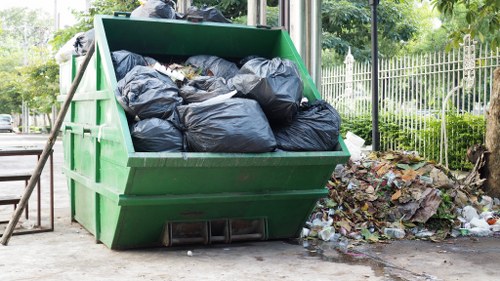
Builders skip hire is suited to ongoing work where waste is created steadily rather than in one single clear-out. This can include brick fragments, rubble, timber, plasterboard, packaging and mixed site debris, subject to accepted load rules. For tradespeople and property owners alike, a skip can help keep the work area safer and easier to organise, especially when the project involves repeated loading throughout the day.
When arranging a skip for building work, access and ground conditions matter as much as the material itself. A driveway may be fine for one job, while a roadside position may suit another, depending on space and permissions. The key is to avoid interruptions to the work and to choose a setup that is compatible with the site. If you need a dependable waste solution for building tasks, review the available service pages and then request a quotation.
Typical builders’ projects often create different waste streams at different stages. Early strip-out work may bring heavier mixed debris, while later stages can include lighter packaging and offcuts. A well-matched service keeps those materials moving without letting them spread across the site. In practice, this makes it easier to maintain access routes, separate reusable materials where needed and manage the final clear-up in a sensible order.
Construction waste disposal and site clearance
Construction waste disposal covers the removal of debris produced by building, alteration and refurbishment work. It is often used on projects where the waste pattern changes over time and the site needs a reliable way to stay functional. For larger or more demanding jobs, the service can support cleaner circulation around the work area and reduce the amount of loose material left on the floor or in access paths.
Site clearance can sit alongside skip hire where a property, yard or building plot needs a more thorough tidy-up after works or before the next phase begins. The emphasis is on gathering the appropriate waste and removing it in a way that suits the layout and the expected volume. For some jobs, a skip is the most straightforward answer; for others, it works best as part of a wider clearance plan. Either way, clarity about the waste leads to better results.
- Useful for mixed renovation debris and general site rubbish
- Helps organise work areas during ongoing construction
- Can support phased loading when waste builds up gradually
- Suitable where a contained disposal point is more practical than loose piling
Domestic and commercial waste streams
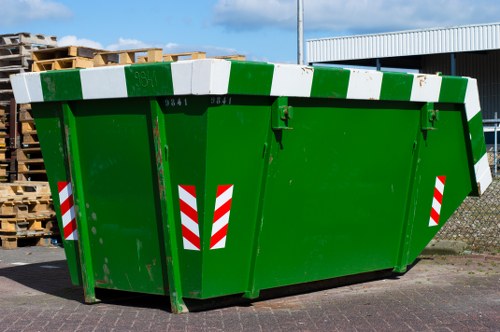
Different jobs create different waste streams, so the service should reflect whether the load is mainly domestic, commercial or trade-related. Domestic waste is often more mixed and may include furniture, packaging and household items, while commercial waste can be more regular and predictable. The important point is not simply the source of the rubbish, but how it will be loaded, sorted where relevant and collected within the agreed arrangement.
For businesses, a skip can be useful during refits, stockroom changes, relocation work and clear-outs that produce more material than ordinary bins can handle. For homes, the same basic service may be better suited to a room clearance, a garden project or a round of general decluttering. In both cases, the purpose is the same: contain the waste, reduce handling and make disposal manageable. If the job is uncertain, a quotation based on the likely contents is the sensible next step.
Because skip hire is often chosen for practical rather than cosmetic reasons, it helps to think in terms of task and material rather than labels. A customer who knows whether the waste is mainly heavy rubble, lighter mixed rubbish or a combination of both is already in a better position to make a useful enquiry. That makes the rest of the arrangement easier to set up and helps avoid avoidable delays.
Garage, loft and house clearance support
Garage and loft clearance work often produces awkward, long-stored items that are difficult to move one by one. Skip hire can give those materials a central place to go as you sort through them, whether you are dealing with old boxes, broken household goods, seasonal clutter or unwanted fittings. The same approach can also help with broader house clearance tasks where the waste is too much for ordinary bin collections.
House clearance does not have to mean emptying an entire property in one go. Sometimes it is a single room, a set of built-in cupboards or a collection of stored items that have built up over time. The benefit of arranging a skip is that the work can be organised at your pace, while the collection point stays fixed and easy to use. Where there are items that cannot go in a skip, it is sensible to separate them before loading and ask for advice where needed.
In many clearances, the easiest way forward is to sort the load as you work through the space. Keep bulky reusable items apart from general rubbish, and avoid mixing in anything that requires special disposal. This makes the task more efficient and helps the final collection go smoothly. It also gives you a clearer idea of the waste volume before you commit to a booking.
Garden waste and mixed outdoor projects

Garden waste removal and skip hire often go hand in hand during pruning, landscaping and end-of-season tidy-ups. Green material, soil, broken planters, old timber edging and other outdoor waste can accumulate quickly, especially when a project starts with a neglected space and ends with a fuller clear-out than expected. A skip gives the work a single disposal point and helps stop waste spreading across paths, lawns and access points.
Outdoor jobs sometimes generate a mixture of organic and non-organic rubbish, so it helps to think about the nature of each item before loading begins. Not every garden project is the same: some are mainly green waste, while others include fencing, paving offcuts or damaged outdoor furniture. The service should fit the actual contents, not a simplified label. Plan for the materials you really have and ask for a quotation that matches the job.
Where the work is phased, such as hedge cutting followed by hard landscaping or timber removal, a skip can support the flow of the project from start to finish. It gives a clear destination for waste as it comes off the site and avoids repeated trips with mixed bags and awkward items. This is especially useful when access is limited or the clearing work is happening alongside other trades.
How to plan a skip hire booking
A sensible booking usually starts with the waste type, approximate volume and the likely place for the container. Access matters because the skip needs space to be delivered, positioned and collected without creating avoidable problems. If the waste is heavy, mixed or likely to be loaded over a period of days, that should be noted early so the arrangement reflects the real job rather than a rough guess.
Two practical steps help most customers prepare. First, make a simple list of the main items or materials so you can describe the load clearly. Second, think about the location for delivery: driveway, private land or road placement each brings different considerations. That does not require a long assessment, but it does help to mention any access constraints, surface issues or timing preferences when you request a quotation.
What affects the overall arrangement
The final setup can depend on the kind of waste, the size required and the intended duration of the hire. If the rubbish is bulky but light, the choice may differ from a job involving dense rubble or heavy builder’s waste. Material, access and duration are the main factors to bear in mind. Once those are clear, the rest of the arrangement becomes much easier to shape around the project.
About Bayswater
Bayswater is a district in west central London, close to Hyde Park and Kensington Gardens, and known for its long residential streets, hotel buildings and varied late nineteenth- and early twentieth-century architecture. The area developed strongly during the Victorian period, when substantial terraces and mansion blocks were built to serve a growing city. Many streets still reflect that era, with stucco frontages, crescents and long runs of mansion flats that give the district a distinctive urban character. Queensway and Westbourne Grove are among the best-known shopping streets associated with the area, offering a mix of independent shops, everyday services and international food outlets. The district is also close to several transport links, including Bayswater and Queensway Underground stations, which place it within easy reach of the wider West End and neighbouring parts of Westminster and Kensington. Hyde Park’s eastern edge provides open green space nearby, while nearby roads connect to larger commercial and residential corridors. The architecture and street pattern show how the area evolved from fashionable Georgian and Victorian development into a dense inner-London neighbourhood with a mix of uses. Today it remains shaped by its central location, its varied housing stock and its proximity to major parks, museums and shopping districts.
Skip sizes, waste types and practical decisions
Choosing the right skip is often about balancing convenience against capacity. A smaller container may suit a focused clear-out or a compact renovation, while a larger one may be better for longer jobs or heavier volumes of mixed waste. The key is to think about the nature of the material rather than assuming one size fits all. Dense loads, bulky items and ongoing trade work can all point to different choices.
It is also important to keep within accepted waste rules. Most skip hire services work best with general rubbish, light renovation debris and many common household or trade materials, but some items need separate handling. That includes certain hazardous materials and other restricted waste streams. If in doubt, check the type of item before loading it, because separating the wrong material early is much easier than sorting it later. A sensible enquiry should mention anything unusual before the booking is confirmed.
The best service is usually the one that keeps the project moving without unnecessary handling. For that reason, it helps to view skip hire as part of the working method rather than just a disposal afterthought. When the waste container is in the right place and sized appropriately, the rest of the job can continue with fewer interruptions and a cleaner working area overall.
Additional waste removal options
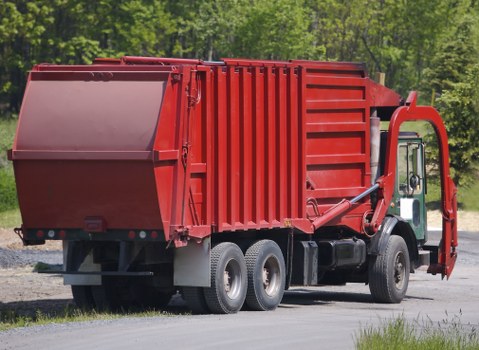
Some customers need a skip, while others are better served by a different waste removal arrangement. For lighter loads, tighter access or fast clearances, options such as rubbish removal or wait and load can be more suitable than leaving a container on site. The aim is to choose the method that best fits the waste, the access and the pace of the job, rather than assuming skip hire is always the only answer.
We also support related services that may be useful alongside skip hire, including waste recycling services and specific item removals where those are appropriate to the job. If your project includes a mix of materials or a more unusual load, it is worth considering whether one service or a combination of services will be the most practical route. The right disposal plan should keep things simple, lawful and manageable from start to finish.
If you are ready to arrange waste removal in Bayswater, ask for a quotation once you know the main materials and the likely volume. That is usually the fastest way to match the service to the work and move the project forward with confidence. When you are ready, make your enquiry and we will help you choose a suitable arrangement.